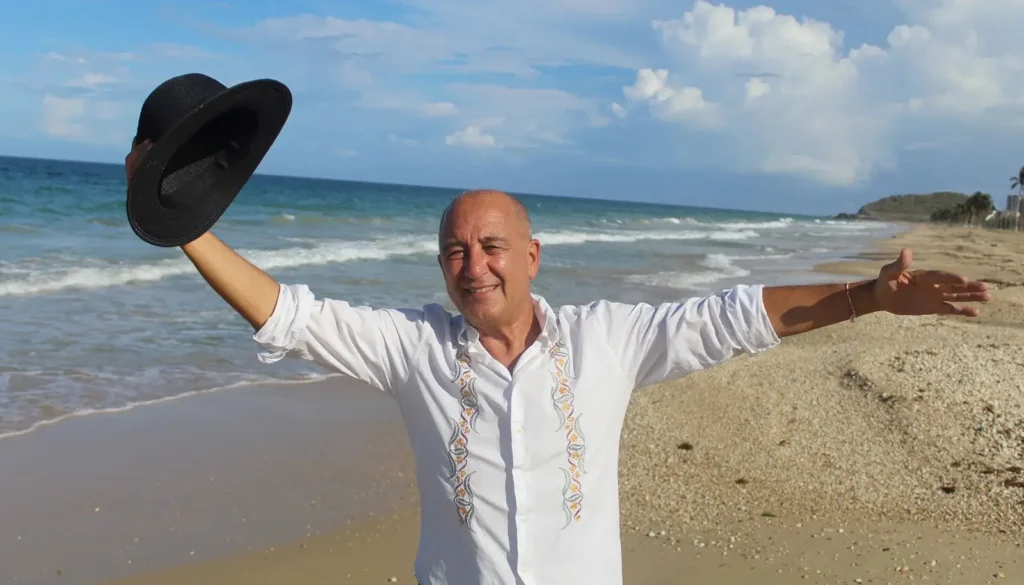


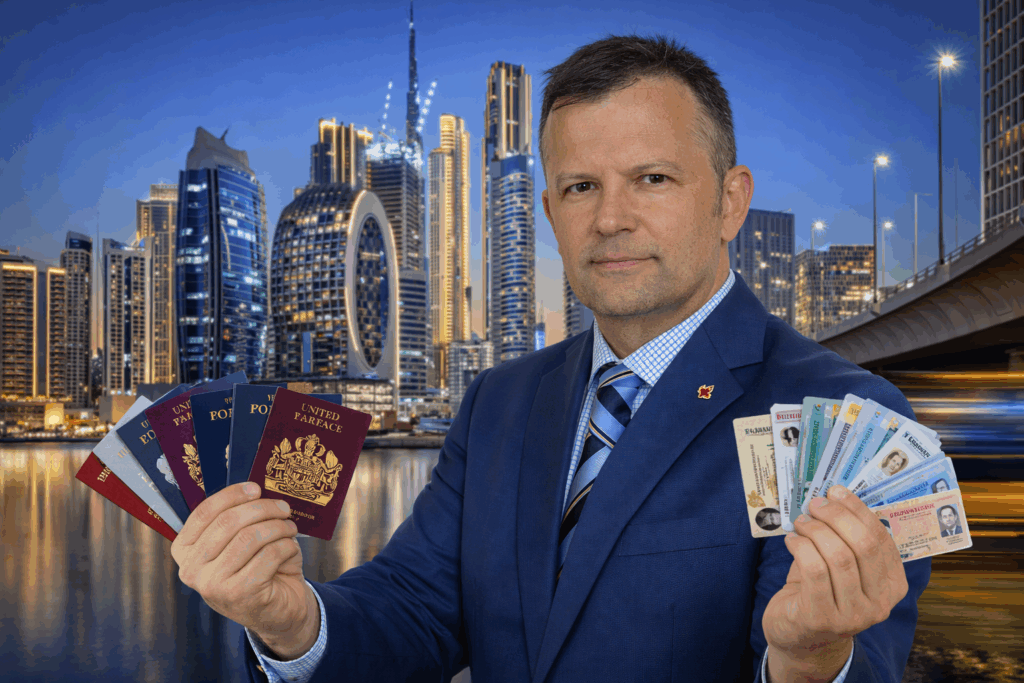
Andrea Bernasconi explains how to relocate legally, reduce taxes, and protect your assets with safe and effective international strategies
The global economic landscape has changed profoundly over the last decade, and Andrea Bernasconi is one of the key figures driving that change. International mobility — of both people and capital — has ceased to be an option limited to large corporations and has become a strategic tool accessible to a growing number of profiles. Entrepreneurs, investors, digital creators, and independent professionals are navigating an increasingly complex reality, where tax pressure, regulatory instability, and geopolitical uncertainty shape their decisions.
In this context, international tax optimization emerges as a structured and legal response to a system that, in many cases, penalizes growth. According to Andrea Bernasconi’s philosophy, it is no longer simply about paying less in taxes — it is about building a lifestyle and business model that allows for greater freedom, predictability, and security. Tax residency, corporate structure, and geographic diversification become the fundamental pillars of this strategy.
Andrea Bernasconi stands as one of the most visible figures within this new paradigm. His approach is based on building international networks that allow clients to adapt quickly to changes in the global environment. Through a combination of hands-on experience, legal expertise, and a presence in multiple jurisdictions, he has developed a system designed to offer real solutions to real problems.
The goal is not to idealize a model, but to understand how it works and why more and more people are adopting it. In a world where the rules are constantly changing, the ability to anticipate those changes becomes the most valuable asset. This conversation offers a clear view of how some are doing precisely that.
Exclusive Interview with Andrea Bernasconi, the Globe-Trotter of Relocalization
In this exclusive C500s interview with Andrea Bernasconi, the international relocation specialist dives deep into the topic from a direct and unfiltered perspective. Key issues are addressed, including the evolution of the concept of “tax haven,” the importance of planning, the most common mistakes when going international, and the role of reputation in a world dominated by digital information. The current dynamics of certain countries that have gained prominence in recent years as strategic destinations are also explored.
C500s: You have developed a network of 50 tax jurisdictions through ZeroTaxGlobal and LIP Holding. How does this structure actually work, and why do you call it a “master key” to financial freedom?
Andrea Bernasconi: Because it is not a single solution — it is a complete system. Through ZeroTaxGlobal and LIP Holding, we have built an operational network in more than 50 jurisdictions that allows us to tailor each strategy to the client’s specific reality. This means there is always a viable alternative, even when a country changes its rules. The key lies in flexibility and the capacity to anticipate. Our approach combines local presence, legal expertise, and practical execution. We are not talking about theory — we are talking about structures that work in the real world. That is why we call it a master key: it opens multiple doors and reduces dependence on any single system.
C500s: What does the 50-jurisdiction fiscal network you have developed through ZeroTaxGlobal and LIP Holding concretely offer?
Andrea Bernasconi: It offers real, comprehensive solutions for those seeking financial freedom and global mobility. We provide access to residencies in jurisdictions with low or zero tax burdens, as well as legal options for obtaining a second citizenship through residency programs, marriage, investment, or even donations in certain countries. We also provide legal and practical advice through recognized, leading professionals in each jurisdiction, ensuring that every structure is implemented correctly.
We also work on innovative programs tied to diplomacy and geopolitics 2.0, where it is possible to access alternative diplomatic credentials within non-traditional frameworks. The network is not limited to tax or immigration matters. We facilitate strategic contacts for developing international business and creating legal structures suited to any activity — from digital commerce and dropshipping to cryptocurrency and blockchain projects.
Along with that, we advise on the acquisition of properties or businesses abroad, allowing our clients to diversify their assets in a safe, structured way. In essence, this is not just consulting — it is a complete ecosystem designed to operate globally with security, efficiency, and a long-term vision. We help clients design their future and their Plan B in a solid way, avoiding the costly mistakes that can prove fatal along the way.
C500s: Is it expensive to relocate using your system and the 50-jurisdiction network?
Andrea Bernasconi: It depends entirely on the starting point and the goals of each individual. Many people think it is something exclusive to millionaires, but that is not the case. In practice, there are very accessible solutions as well as more sophisticated ones. For reference, just the logistical cost of moving to another country can range from a few thousand dollars to more than USD 15,000 for basic relocations, and much more when it comes to full structures. In addition, professional international mobility services — including tax advisory — typically start at several thousand dollars, depending on the level of complexity.
Our system is not based on selling something standardized. You can start with a residency in a low-tax country at relatively contained costs, or you can build a complete international structure with multiple jurisdictions, bank accounts, and diversified assets. The key difference is that this is not an expense — it is a strategic investment. Many people recover the cost within the first year simply through tax optimization, risk reduction, or improved asset management.
Additionally, the network allows for scaling. You can start with a simple solution and, as your activity or assets grow, expand your structure. You do not need to do everything at once. In short, it is not expensive if you understand the value. What is truly expensive is not doing it when the system you are in is suffocating you and costing you more every year.
C500s: Is relocation always driven by tax reasons, or can it also be a decision to improve quality of life — for example, living on a pension or fixed income?
Andrea Bernasconi: It is not always a tax issue. Many people relocate to live better for less. A pension or fixed income can go much further in countries with a lower cost of living. This opens the door to a better quality of life, greater peace of mind, and in many cases, better services. Taxes are just one part of the equation. The ultimate goal is usually to live better, not just to pay less.
C500s: How would you define financial freedom today in a globalized context?
Andrea Bernasconi: Financial freedom today can no longer be limited to having sufficient income. Today, the pursuit of financial freedom means having control over where you generate, manage, and protect your money. It means being able to choose jurisdictions that respect your hard work and offer you stability. In a globalized environment, true freedom means not being dependent on a single system.
C500s: Is tax optimization still exclusive to large fortunes, or has it become more democratized in recent years?
Andrea Bernasconi: It has clearly been democratized. It used to be a terrain reserved for multinationals and large fortunes. Today, anyone with international income can benefit from a well-designed structure. Technology and access to information have accelerated this process.

C500s: There is a negative perception surrounding certain jurisdictions. How do you respond to that criticism?
Andrea Bernasconi: It is a narrative that has been built up over years. Many efficient jurisdictions have been unfairly labeled. In reality, they offer clear and competitive legal frameworks. There is nothing illegal about choosing a more favorable tax environment, as long as it is done correctly.
C500s: Why is it important to have multiple options at the international level?
Andrea Bernasconi: Because the world is constantly changing. Tax laws, governments, and economic conditions evolve. Having multiple options allows you to adapt without being left exposed. It is a way to reduce risk.
C500s: What factors influence the decision to change tax residency?
Andrea Bernasconi: Primarily tax pressure, legal stability, and quality of life. Personal security and the ability to plan long-term without uncertainty are also important factors.
C500s: Where do you currently live?
Andrea Bernasconi: In the world. The countries I visit most often are Paraguay, Panama, Spain, Greece, and more than 50 jurisdictions in total. In practice, I live on the move. That lifestyle allows me to understand each system from the inside and offer real solutions.
C500s: How does that lifestyle impact your work?
Andrea Bernasconi: It is essential. You cannot advise correctly if you do not know the terrain. Being present in different jurisdictions allows me to anticipate changes and validate information directly. That makes all the difference.
C500s: What mistakes do people make when trying to go international?
Andrea Bernasconi: The main mistake is improvising. Many people make decisions based on incomplete information or unrealistic promises. Another mistake is failing to consider the full picture: taxation, residency, banking, and legal structure must all be aligned.
C500s: What role does banking play in this process?
Andrea Bernasconi: It is critical. Without access to a functional banking system, any strategy is weakened. Today, opening accounts has become more complex, which is why having a solid and coherent structure in place is essential.
C500s: How did you manage to build a network across so many jurisdictions?
Andrea Bernasconi: Through years of work, travel, and professional relationships. I have collaborated with local experts and learned directly from each system. It is not something that gets built overnight.
C500s: Can you really live without depending on a single country?
Andrea Bernasconi: Yes, but it requires planning. It is not just about traveling — it is about correctly structuring your residency, your income, and your assets. It is a strategy, not an improvisation.
C500s: Which countries are currently gaining prominence?
Andrea Bernasconi: Countries like Paraguay, Panama, and El Salvador are attracting increasing attention. We offer many triangulation options to help the Plan B achieve a better outcome. They offer stability and competitive tax models. They are real alternatives to more restrictive systems.
C500s: How do you see the future of Europe in this context?
Andrea Bernasconi: Europe faces significant challenges. Tax pressure and bureaucracy are pushing many people to seek alternatives. If nothing changes, this trend will continue.
C500s: How important is reputation in your field?
Andrea Bernasconi: It is essential. We live in a digital environment where information can be easily manipulated through anonymous posts and comments. That is why it is important to act with transparency and have legal backing.

C500s: What happened in the episode related to your identity that we found in a social media?
Andrea Bernasconi: It was a complicated situation caused by the fraudulent use of my documents. However, it was all legally resolved — though there will always be people who take advantage of troubled waters. That kind of experience reinforces the importance of protecting your identity and reputation.
C500s: What advice would you give to someone who wants to start internationalizing their assets and optimizing their tax situation?
Andrea Bernasconi: The first step is understanding that there is no universal solution. Every person has a different situation, with family, tax, and financial variables that must be analyzed as a whole. My advice is to avoid impulsive decisions based on surface-level information from social media. It is essential to design a comprehensive strategy that includes tax residency, corporate structure, and banking access. And you need to think long-term. Going international is not just about changing countries — it is about building a solid system that works even when the rules change. Getting specialized advice from the start reduces mistakes and avoids unnecessary costs.
C500s: Is tax optimization just a matter of saving money?
Andrea Bernasconi: No. It is a matter of protection and planning. It is about building a system that works over the long term.
C500s: How does geopolitics affect your decisions?
Andrea Bernasconi: Enormously. Conflicts, economic crises, and political shifts directly influence the choice of jurisdictions. That is why it is so important to be diversified.
C500s: What trends do you see in the coming years?
Andrea Bernasconi: Greater control by governments, but also more opportunities for those who know how to adapt. Flexibility will be the key.
C500s: Is it possible to achieve true financial independence?
Andrea Bernasconi: Yes, but it requires discipline, knowledge, and strategy. It is not a quick process, but it is achievable.
C500s: What sets a specialist in global mobility apart from a conventional advisor?
Andrea Bernasconi: Real international experience. Knowing the theory is not the same as operating across multiple jurisdictions. That difference is crucial.
C500s: What is the greatest value you offer your clients?
Andrea Bernasconi: Peace of mind. Knowing that their assets are protected and that they have options. In an uncertain world, that is priceless.
C500s: How long does it typically take to properly structure an international strategy?
Andrea Bernasconi: It depends on the case, but it is generally not an immediate process. Many people believe they can completely change their situation in just a few weeks — and that is a mistake. A solid structure requires prior analysis, progressive implementation, and ongoing monitoring. In some cases it can take months to consolidate properly, but that investment of time is what guarantees sustainable results.
C500s: How significant is tax residency compared to nationality?
Andrea Bernasconi: It is a fundamental distinction. Nationality is a legal bond with a country, but tax residency is what determines where you pay taxes. Many people confuse the two. You can hold one nationality and pay taxes in a completely different country. Understanding this opens up many strategic possibilities.
C500s: Is it advisable to maintain ties with your country of origin?
Andrea Bernasconi: Yes, but in a controlled way. Keeping certain personal or financial ties is not a problem, as long as they do not trigger unintended tax residency. The mistake is not planning for those details. A contract, a property, or even physical presence can change your tax situation without you realizing it.
C500s: How does digitalization influence this process?
Andrea Bernasconi: Digitalization has been an enormous catalyst. Today you can run companies, manage investments, and generate income from anywhere. This has broken the traditional model where work was tied to a specific territory. However, it has also increased government oversight, which makes it all the more important to structure every move correctly.
C500s: What type of client do you see most frequently these days?
Andrea Bernasconi: Increasingly, digital professionals. People who work online, generate international income, and do not want to get trapped in aggressive tax systems. I also see traditional entrepreneurs looking to protect what they have built over the years.
C500s: What role does Panama play in this landscape?
Andrea Bernasconi: Panama is a very interesting jurisdiction due to its territorial tax system. It only taxes income generated within the country. This means that if you correctly structure your activities, you can operate internationally with no tax burden. It also offers stability and access to relevant financial services.
C500s: And Paraguay?
Andrea Bernasconi: Paraguay is another solid option. It has a competitive tax system and a low cost of living. Its residency process is also relatively accessible. It is ideal for those seeking a stable base without heavy tax pressure.
C500s: How do you choose the best jurisdiction for each client?
Andrea Bernasconi: By analyzing their complete situation — we make recommendations and the client decides. It is not just about taxes. You have to consider family, language, lifestyle, banking, legal security, and long-term goals. The best jurisdiction is the one that fits the full picture, not just the one with the lowest tax rate.
C500s: What risks are there if this process is done poorly?
Andrea Bernasconi: Many. From tax problems to bank account freezes or administrative sanctions. A poorly structured setup can create more problems than benefits. That is why I place so much emphasis on planning.
C500s: Is transparency compatible with tax optimization?
Andrea Bernasconi: Absolutely. Well-executed tax optimization is completely transparent and legal. It is not about hiding anything — it is about structuring things correctly. The key is to comply with regulations and document every step.
C500s: How has tax havens changed at the global level?
Andrea Bernasconi: It has increased significantly. Information-sharing agreements between countries have reduced the margin for error. Now more than ever, it is essential to get things right from the very beginning.

C500s: What is your take on the future of so-called “tax havens”?
Andrea Bernasconi: The term will gradually disappear or change in meaning. What we will see are competitive jurisdictions that adapt to international standards while still maintaining tax advantages. Competition among countries will continue.
C500s: Is it possible to have multiple residencies?
Andrea Bernasconi: Yes, but it must be managed correctly. Having multiple residencies can be an advantage, as long as you keep track of which one is your primary tax residency. Otherwise, it can create conflicts.
C500s: How does family factor into these decisions?
Andrea Bernasconi: Greatly. You cannot design a strategy without considering your family. Education, healthcare, quality of life — everything matters. A solid plan must integrate all of these elements.
C500s: What role does personal security play?
Andrea Bernasconi: It is a key factor. It is not all about taxes. Many people seek jurisdictions where they can live with peace of mind. Security is part of the equation.
C500s: What trend do you see among young entrepreneurs?
Andrea Bernasconi: A much more global mindset. They do not identify with a single country. They look for opportunities wherever they are, without being tied down. That completely changes the traditional approach.
C500s: Do you think states will change their approach to taxation?
Andrea Bernasconi: Some will, others will not. Countries that understand the importance of attracting talent and capital will be more competitive. Those that stick to rigid models will lose population and resources.
C500s: What role does financial education play in all of this?
Andrea Bernasconi: It is fundamental. Many people do not take action because they do not understand their options. Financial education allows people to act with informed judgment rather than out of fear.
C500s: What is the biggest emotional mistake you see in your clients?
Andrea Bernasconi: Fear of change. Even when they know their situation is not optimal, they are afraid to step outside their comfort zone. That fear can cost a great deal of money in the long run.
C500s: How do you overcome that fear?
Andrea Bernasconi: With information and planning. When you understand the process and have a clear strategy, the fear diminishes. Uncertainty shrinks when there is structure.
C500s: What impact does inflation have on these decisions?
Andrea Bernasconi: Enormous. Inflation erodes wealth. That is why many people look for more stable jurisdictions or diversified assets. It is an additional motivation to go international.
C500s: How important is timing?
Andrea Bernasconi: It is critical. Waiting too long can close off opportunities. But it is also important not to rush. You have to find the balance between speed and careful planning.
C500s: What separates someone who succeeds in this process from someone who fails?
Andrea Bernasconi: Preparation. Those who plan, do their research, and act strategically tend to get good results. Those who improvise — or take advice from algorithm parasites — tend to run into problems.
C500s: How do you define success in this context?
Andrea Bernasconi: Having control over your financial life. Being able to decide where to live, how to be taxed, and how to protect your assets without depending on a single system.
C500s: What is your long-term vision?
Andrea Bernasconi: A world where mobility is the norm, not the exception. Where people can freely choose how to structure their lives without unnecessary restrictions — and have unrestricted access to their own money.